Why You Should Invest in a Whole House Generator in Central Washington
On a well, no power means no water, and in dry and windy country that is a risk worth planning for before the lights go out.
October 7, 2026 · 3 min read
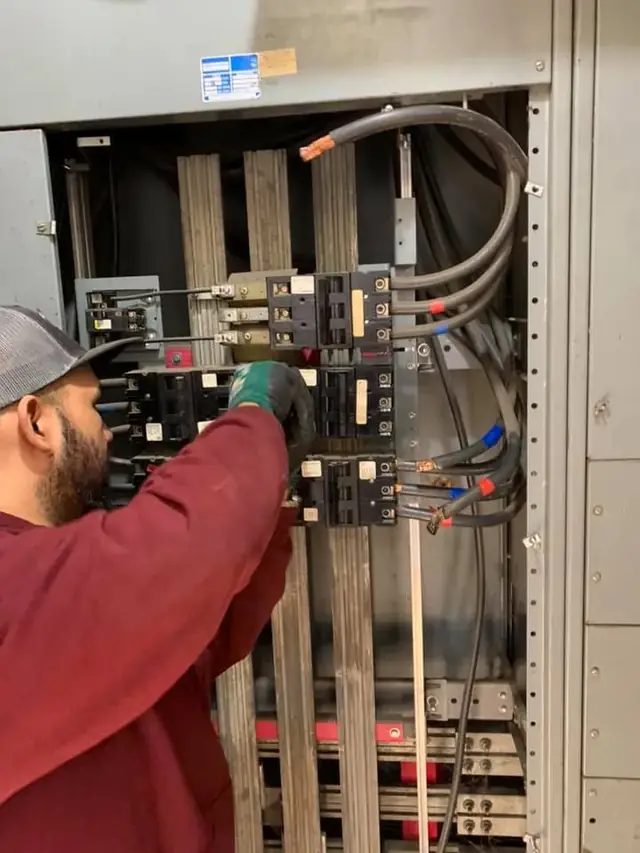
If you live in town on city water, a power outage means no lights and a warm refrigerator. If you live on a well, it means all of that plus no water at all. The pump in your well is an electric motor, and when the power goes out, it stops. No drinking water, no flushing toilets, no water for livestock, and no water to fight a small fire. For a rural property in Central Washington, that makes backup power less of a luxury and more of a practical decision.
Why outages happen here
Central Washington summers are dry, windy, and smoky. Strong wind can bring down lines and poles. Dry grass and brush carry fire fast. In wildfire country, utilities may also shut off power on purpose during high fire danger to keep their lines from starting a blaze, and those shutoffs can last longer than a storm outage. You may not get much notice, and you cannot predict how long the lights will be out. Winter adds ice, snow, and downed trees to the list. The result is that a home on a well can lose water for hours or for days.
What happens to a well when the power goes off
Your pressure tank holds some water, so you get a few uses after the pump stops. That reserve does not last long. After that, taps run dry. Without water pressure, livestock waterers, irrigation, and any fire protection depend on the same pump.
What a whole house generator does
A portable generator and a handful of extension cords will keep a refrigerator going for a while. A whole house generator is different. It is permanently installed outside, wired through a transfer switch, and set to start on its own when the utility power drops. Within seconds, the circuits you have chosen come back on. Nobody has to drag a machine out of the shed in the dark or in the smoke.
The transfer switch matters as much as the generator. It disconnects your house from the utility lines before connecting the generator, so power cannot flow back out onto the lines where a lineman might be working. That is the reason generator wiring is electrical contractor work and not a weekend project.
What to keep running
- The well pump and pressure tank controls, so you have water.
- The furnace or heat pump blower and the thermostat, for winter outages.
- Refrigerators and freezers, so the food does not spoil.
- Sump pumps, septic pumps, and any pump house heat.
- Medical equipment, internet, and a few lights and outlets so the household can function.
- Shop or barn circuits for farms that rely on them for livestock or equipment.
The right size comes from adding up what you actually want to run, and the well pump deserves special attention. Motors draw far more current for the instant they start than they do while running, so a generator sized only for running loads can stall on the first start. If your pump is on a SubDrive or VFD, those controls change the starting load, and an electrician who understands them can plan around it.
Why choose an electrical contractor who also knows pumps
Plenty of companies can set a generator on a pad. Fewer understand what happens when that generator tries to start a submersible pump in a well. Castle Pump & Electric holds an electrical contractor license and has worked on wells since 1991, so the person planning your generator also knows the pump, the tank, and the controls it has to carry. The company installs whole house generators and backup power systems for homes, farms, and businesses across Yakima, Kittitas, and the surrounding counties.
Practical points before you buy
A few things are worth deciding before anyone digs a trench. Where will the generator sit? It needs open air and distance from windows, doors, and intake vents, because exhaust carries carbon monoxide. Which circuits do you truly need? A smaller list of essentials is cheaper to back up than the whole house. And how will it be maintained? A generator that sits unused for months needs regular exercise and service to start when you need it. A good installer will walk through all of it.
Castle offers free consultations and can typically provide an estimate within 48 hours, so it costs nothing to find out what a system for your property would involve. To learn more about generator installation, visit /whole-house-generators. Since your well pump depends on the same power, the page at /well-pump-services shows how the two systems fit together. Call (509) 580-0470, any hour, any day.
Castle Pump & Electric, (509) 580-0470
Call (509) 580-0470More articles
Why Does My Well Pump Keep Turning On and Off?
A pump that clicks on and off every few seconds is telling you something upstream is wrong, and it is usually cheaper to fix before the motor pays for it.
Signs Your Well Pressure Tank or Pressure Switch Is Failing
The tank and the switch are the two cheap parts that decide how hard your well pump has to work, so their warning signs are worth knowing.